
Small Kitchen, Big Impact: The Importance of Sustainability for Indie Restaurants
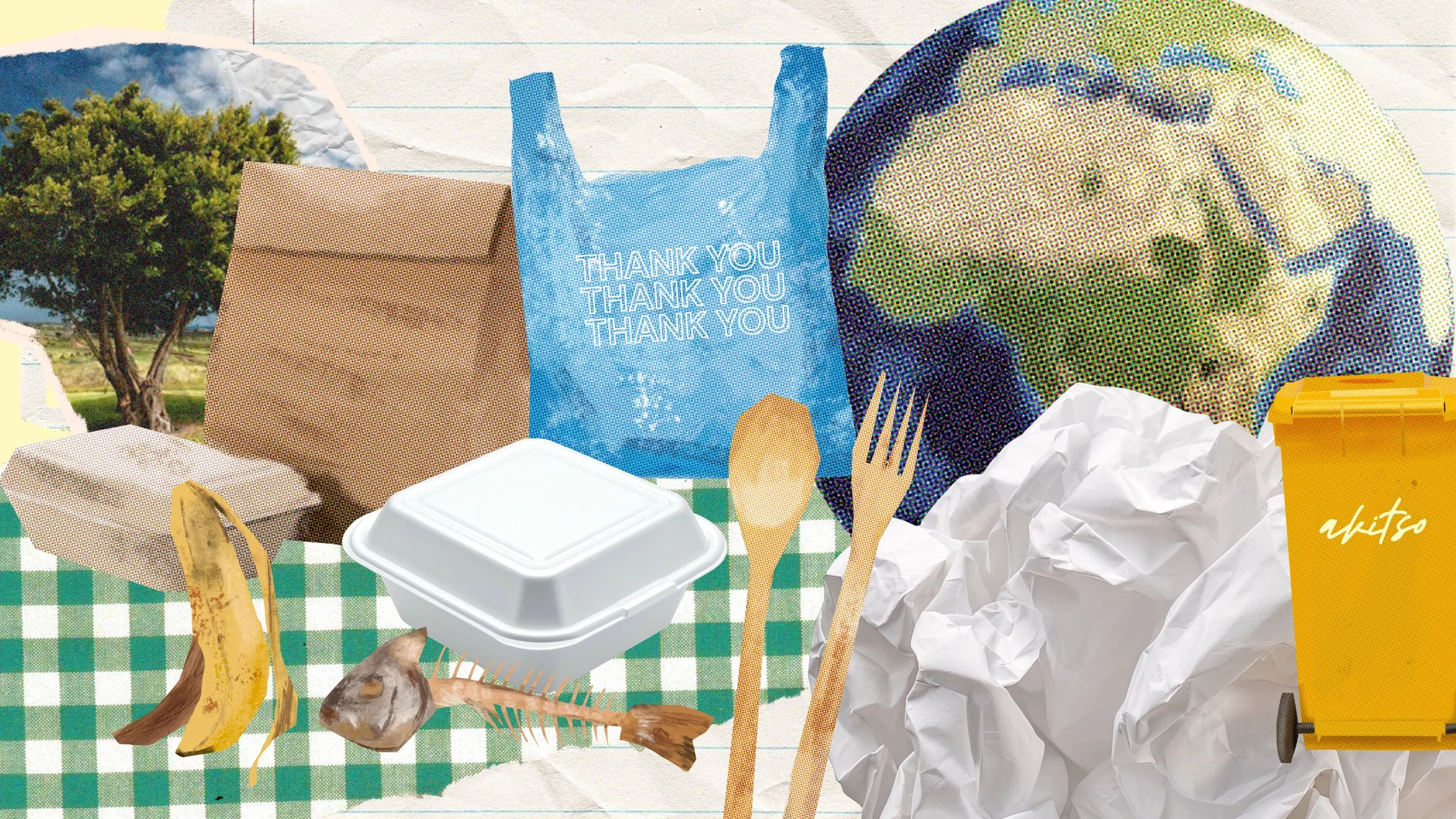
Two generations ago, April 22nd was designated as Earth Day: a day to educate the public about environmental protection. Since then, the movement has reached over 1 billion people in 193 countries.
These days, however, a lot of that responsibility is put on consumers to do their part to protect the earth. With the effects of climate change already becoming visible, people are willing to do what they can to lower their carbon footprint. Through the rise of reusable water bottles and grocery bags, we see that there are already eco-conscious customers looking to do their part. By incorporating sustainability as an integral part of your restaurant, you have the opportunity to attract and retain customers for your business and do your own small part to protect our planet.
So, imagine…
A new customer who had a great meal with their friends, on a patio, in the fresh air, with just enough food to take home for later. They get the check and the to-go container and…its styrofoam. While this may seem like a small detail, to that customer it may evoke guilt — they are now contributing a toxic material to the environment, one that takes 500 years to decompose. That is why sustainability should not only be encouraged for the consumers; businesses also have a responsibility to help the planet in any way they can.
Customers are increasingly frustrated by how little control they have outside of their personal decisions. That is why incorporating greener habits in your restaurant builds a more sustainable future for everyone: customers do not feel fatigued or guilty enjoying their meal, and your business is communicating that it wants to thrive for years to come.
This Earth Month, your restaurant can be part of the solution. There are many tools you can adopt in the kitchen to help ensure a more sustainable planet, a more sustainable business, and more delicious recipes to come.
The Future of Food (without intervention)
The restaurant industry might contribute to the climate crisis in more ways than you realize. The UN reports that “about a third of all human-caused greenhouse gas emissions are linked to food.” The meat industry alone accounts for 14-18% of global greenhouse gas emissions (Stanford, 2025). Overfishing, overfarming, and overproduction have also had dramatic effects on the environment as industry demand rises. Beyond that, while most food waste is compostable, it never gets the chance to return to the earth and is instead left to decompose in landfills, leading to more pollution.
That is why a commitment to being more eco friendly is something that will not go unnoticed. Even the smallest contributions benefit a greater cause, and show empathy for the environment in an industry that does not always appreciate it enough.
Understanding the Costs
It would be remiss not to acknowledge that sustainability can be expensive. Restaurants are already among the most costly businesses to run, so it is not realistic to expect everyone to switch to fancy biodegradable take-out boxes overnight. However, there are many other practices that can not only improve our environment, but also reduce costs and improve efficiency.
The long-term investment in sustainability also communicates to your customers that you are here to stay.
Opting for greener business practices opens your doors to a wider demographic. Now that the general population is aware of how fast our planet is changing, people are dedicated to doing their part to protect the Earth. In 2019, the National Restaurant Association reported that “48% of Americans said they would change their spending habits to reduce their environmental impact.”
Ways to Include Sustainability in your Restaurant
#1. Switch to Compliant and Affordable Packaging
Avoid styrofoam or single-use plastic, and instead aim for recyclable or compostable to-go packaging.
By starting now, you are getting ahead of the curve. Single-use plastic will not just hurt your eco-friendly image — it will also become a legal liability for your business starting in 2032. California already took initiative in 2023 by enacting SB 54 — the Plastic Pollution Prevention and Packaging Producer Responsibility Act. This law requires that by 2032, all single-use packaging must be recyclable or compostable. This law is an effort to not only reduce the amount of single-use plastic in circulation but also to force engineers to redesign packaging to benefit our planet. There is no need to wait until 2032; the best time to start is now.

#2. Encourage Customers to Bring Personal Reusable To-Go Tupperware
This not only lowers the amount of waste, but it also saves resources for others.
To incentivize customers to use their own Tupperware or practice sustainability within your business, a reward system can be implemented:
As you often see in coffee shops with custom mugs, restaurants can sell their own Tupperware that consumers use when they come back. You can even put your own branding on it, so it serves as a reminder of your business every time they use it — whether that is for your meal or not.
Reward systems also promote good behavior among customers. That is why many businesses offer discounts with continued use of personal to-go materials.
Another example is Board n' Beans in San Diego. They offer a free cup of coffee with every bucket of trash collected and returned ee is already delicious, the free price tag makes it even more rewarding for the customer.
#3. Reduce Food Waste
Minimizing the amount of food that is thrown away is not only the most beneficial practice for the planet, but also for your wallet. ReFED estimates that America spends about "$218 billion a year growing, processing, transporting, and disposing of food that is never eaten" (National Restaurant Association, 2021).
There are many cultures that have always practiced zero-waste. When people relied on scarce resources, everything was appreciated and put to use in any way possible. One you might be familiar with is the Native American tradition of using the whole buffalo. No part was wasted: the meat was used for food, the skin was used for pelts and clothes, and the bones were made into tools.
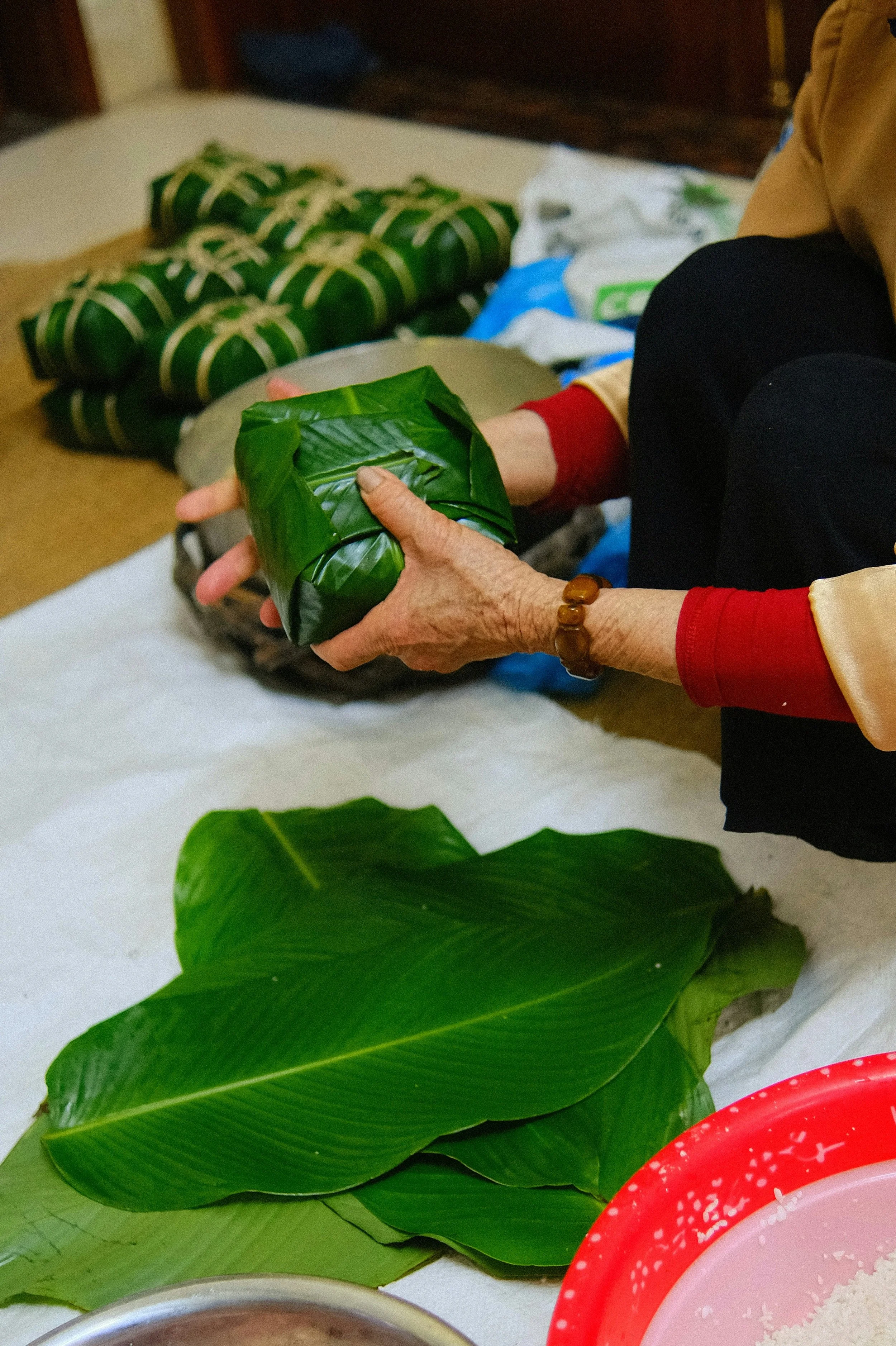
Another common practice amongst different cultures is the repurposing of leaves and husks. Communities across Africa, Asia, and Latin America utilize banana and plantain leaves to wrap and serve meals. This is not only a brilliant zero-waste plating technique, but also reduces the need for dishwashing.
#4. Start a Simple Composting Practice
Composting is a small but significant step toward eliminating unnecessary food waste. Rather than food scraps ending up in landfills and generating greenhouse gases, the food can be turned into soil and returned to the earth. Composting is also a very cost-effective way to lower your carbon emissions. Composting can be completely DIY, or there are services that assist in the process.
#5. Work on Sustainable Ordering Habits
Avoid over-ordering or over-preparing food. While it might be daunting to operate more conservatively than usual, it is a sure way to mitigate unwanted food waste. It also ensures food is fresh and used before it spoils. It is also worth considering programs and technologies for food forecasting to prevent over-ordering inventory.
Machine learning programs are able to very accurately predict the supplies needed for your projected demand. Being able to order the exact amount needed without leftovers is also a great way to save money. Throwing away food is like throwing away dollar bills. The less you waste, the more you save in the end.
#6. Source Locally and Seasonally
Sourcing locally and sustainably is not only a benefit for the environment, but also for the health of your customers and the taste of your food. Sourcing food from local vendors lowers greenhouse gas emissions as it reduces fuel for transportation.
Planning your menu seasonally also allows for healthier and fresher options, as the travel time is cut significantly. This also significantly reduces costs. Fewer preservatives are used to keep food fresh during transit. The one downside is that certain items will not be available during certain periods but sometimes appreciating what you have while you have it is part of the experience.
#7. Donate or Repurpose Leftovers
There are many Food Rescue services that focus entirely on reducing waste and redistributing meals for those in need.
Donating food, meals, and perishables to people experiencing homelessness is a perfect way to give back to the community. Donating food goes beyond canned goods and food drives. Programs like Feeding San Diego and Replate help to redistribute perishables and prepare meals for people facing food insecurity.
Replate is an app accessible throughout the United States: "Our food rescue platform offers tools for businesses with surplus food to donate meals to nonprofits serving communities that are experiencing food insecurity."
Replate is also dedicated to the planet, with its main goal being to lower carbon emissions.
Leftovers help address food insecurity beyond the human species. Feeding San Diego and the San Diego Zoo partnered to combat food waste by redistributing extra food to the animals. Through these meal donations, the animals are able to eat a wide variety of meats, fruits, and vegetables that would otherwise be wasted.
Avoiding Greenwashing
While it can be exciting to be part of a movement, it is important to stay honest and authentic with your customer base. Before you start advertising the new green practices you’ve adopted, make sure you are not overselling the impact. If done irresponsibly, the selling point can turn into greenwashing. Greenwashing is when a brand deceptively markets itself as sustainable or eco-friendly without actually prioritizing sustainable practices. False claims like this harm the environment and reduce consumer trust.
Prime examples of green washing include:
Using buzz words like "sustainable," "natural," or "eco-friendly" to draw in eco-conscious consumers without substantiating the claims
Stretching statistics or facts to appear more sustainable than they are — "Made with 30% recycled material!" is not as impactful when the other 70% consists of non-recyclable materials
The most important part is that you are putting in the extra effort for your customers' benefit, and that it feels authentic to you.
By incorporating sustainability into your core mission, you can elevate your brand, attract and retain new customers, and lower your costs and increase your margins. Even small changes have great impacts. These techniques are sure steps toward a sustainable future — not only for the restaurant industry, but for everybody. On this Earth Day, let's all strive for a greener world, starting in the kitchen.
Sources:
United Nations – Food and Climate Change: Healthy Diets for a Healthier Planet
National Restaurant Association – Plastic Packaging Guide
US Foods – Sustainable Seafood Guide
86'd Food Waste Report – 2021 Food Waste Update
Replate – About Our Food Rescue Platform
NBC San Diego – San Diego Nonprofit and San Diego Zoo Work to Combat Food Waste
Stanford Woods Institute – Meat's Environmental Impact
Restaurantware – Composting for Foodservice: A Restaurant's Guide to Zero Waste
Restaurantware – Sourcing Local: Benefits and Challenges for Foodservice
World Economic Forum – Food Waste and Its Global Impact
Frontier Life – How Native Americans Used the Buffalo
